


Bicycles have always been more than transportation. For many women, riding a bicycle meant independence, mobility, and the chance to challenge the limits society placed on them. In the late 1800s, when social norms often restricted women’s movement and autonomy, cycling opened new possibilities and began shifting public perceptions of women’s capabilities.
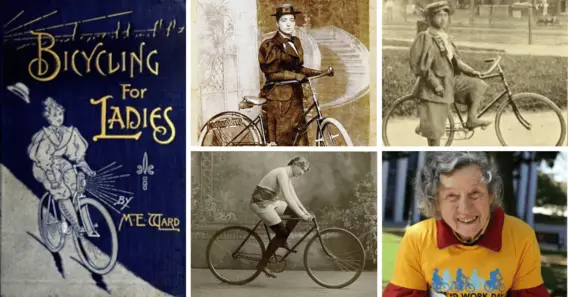
Suffragist Susan B. Anthony recognized the significance of this change, saying, “The bicycle has done more to emancipate women than anything else in the world.”
This Women’s History Month, we celebrate several pioneering women whose determination and achievements helped shape cycling culture, advocacy and opportunity.
Annie Londonderry (1870–1947)
In 1894, Annie Londonderry became the first woman to bicycle around the world. Her journey, completed in just over a year, challenged traditional expectations of women’s roles and abilities. She funded the trip through advertising sponsorships—making her one of the earliest athletes to monetize a sporting journey.
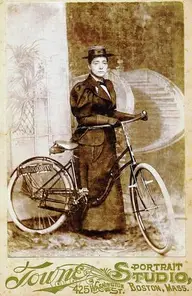
Learn more about Annie Londonderry.
Katherine "Kittie" Knox (1874–1900)
A pioneering bicycle racer in the 1890s, Kittie Knox was one of the few Black women competing in organized cycling at the time. Despite widespread racial and gender barriers, Knox became known for her skill on the track and her determination to compete. In 1895, she challenged the League of American Wheelmen’s segregation policies by continuing to race while wearing the league’s badge, even after the organization attempted to exclude Black riders. Her persistence helped expose discrimination in cycling and expand visibility for women, especially women of color, in the sport.
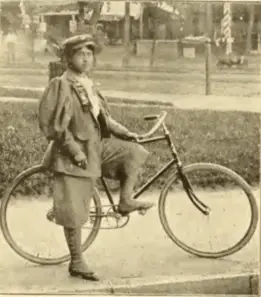
Learn more about Kittie Knox.
Tillie Anderson (1875–1965)
One of the most successful cyclists of the 1890s, Tillie Anderson, dominated women’s track racing during cycling’s first popularity boom. She won numerous national championships and helped demonstrate that women could compete at elite athletic levels.
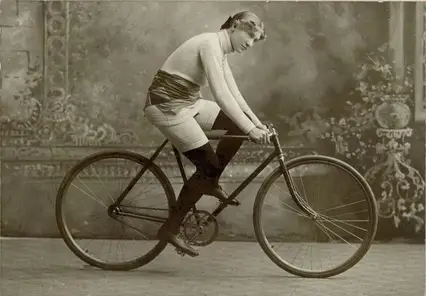
Learn more about Tillie Anderson.
Maria E. Ward (1851–1933)
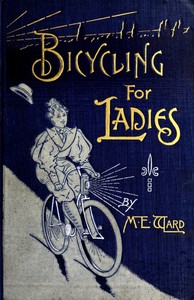
Maria E. Ward helped encourage women to ride by writing one of the first cycling manuals aimed specifically at women: Bicycling for Ladies (1896). Her book offered guidance on riding, safety, clothing and mechanics at a time when many women were discouraged from cycling. You can download her book for free here.
Learn more about Maria E. Ward.
Ellen Fletcher (1937–2004)
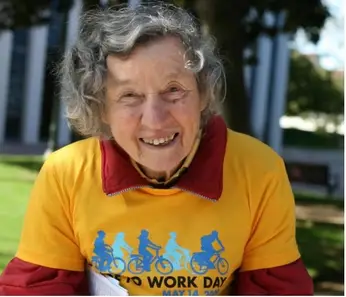
Ellen Fletcher was a longtime advocate for safer streets and better biking conditions in Palo Alto, California. Through years of local organizing and persistence, she helped push the city to invest in bike lanes, safety improvements and policies that supported everyday cycling. Much of Palo Alto’s reputation as a bike-friendly city today traces back to the groundwork she helped lay.
Learn more about Ellen Fletcher.
Continuing the Legacy
The impact of these women continues today in community bike programs, advocacy groups and volunteer workshops that help keep cycling accessible. Their efforts helped show how bicycles can expand opportunities, strengthen communities and give people more freedom to move through the world.
This Women’s History Month, we celebrate the riders, mechanics, volunteers and advocates who continue pushing the cycling movement forward—one ride at a time.
